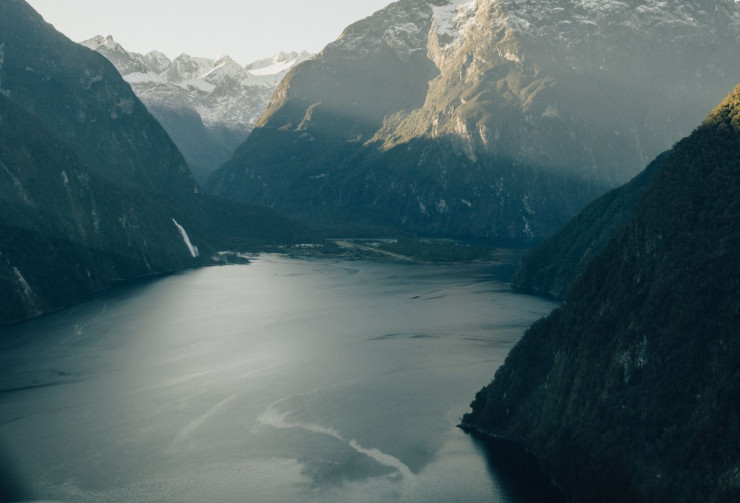

Visitors flock to Milford Sound / Piopiotahi for roaring waterfalls, snow-capped peaks, or glimpses of Fiordland’s unique wildlife, flora, and fauna. This UNESCO World Heritage gem in Fiordland National Park delivers year-round magic, here’s how to match the season to your dream day.
Summer (December–February)
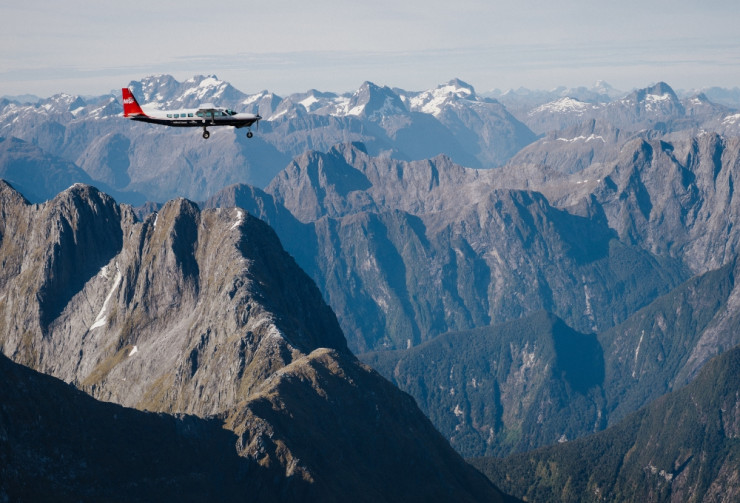
Make the most of long days, mild temperatures (~20°C) and the lupin bloom. Kick off with golden dawn light on the Milford Road—twisty, epic, and lined with blooming lupins. Arrive as morning mist lifts, then board a scenic cruise gliding past sheer cliffs, thundering waterfalls, and curious seals. Dolphins often surf the bow wave in summer’s calm waters. End with an incredible scenic flight over the mountain peaks back to Queenstown.
Insider tip: Book the 8 AM Fly - Cruise - Fly departure to beat crowds and be first on the water.
Autumn (March–May)
Spectacular autumn colours, tranquil waters and some of the best hiking season.
Set out under crisp dawn skies, hills ablaze with amber beech leaves and maroon tussock. Enjoy a quieter autumn cruise beneath Mitre Peak, dusted with the first snow of the season. Perfect for short forest walks or tackling the Milford Track which is less busy this time of the year. Golden light, serene waters, and changing foliage make this a photographer’s paradise.
Winter (June–August)
A winter wonderland with snowy peaks, calm days and a timeout from busy Queenstown.
Escape the busy ski fields for a scenic flight over snow-draped valleys and glaciated peaks. Arrive to a steaming fiord, Mitre Peak crowned in powder, waterfalls often framed by rainbows. The small-boat cruise glides past seals and ice-fringed cliffs. Enjoy complimentary hot chocolate on the boat, making sure you remember your gloves. Keep an eye out for Fiordland crested penguins, this is their winter nesting season.
Spring (September–November)
Full cascading waterfalls, smaller crowds and often active and energetic wildlife.
Snowmelt surges down cliffs, turning Lady Bowen Falls into a thunderous veil and Stirling Falls into a roaring cascade. If you're lucky you can spot wild orchids and celandine along the foreshore as cheeky kea parrots swoop overhead. Days swing from 8°C mornings to sudden 20°C bursts so make sure to pack your layers. Spring is Milford Sound at its most alive: misty, vibrant, and gloriously unpredictable.
Our Verdict
Milford Sound / Piopiotahi has no single “best” time - only the best version for what you are looking for in the experience. Mirror-calm lakes at summer dawn? Explosive spring waterfalls? Snow-draped winter solitude? Pack layers, a rain jacket, and your camera, then let the fiord deliver New Zealand’s finest.
 Find your perfect adventure